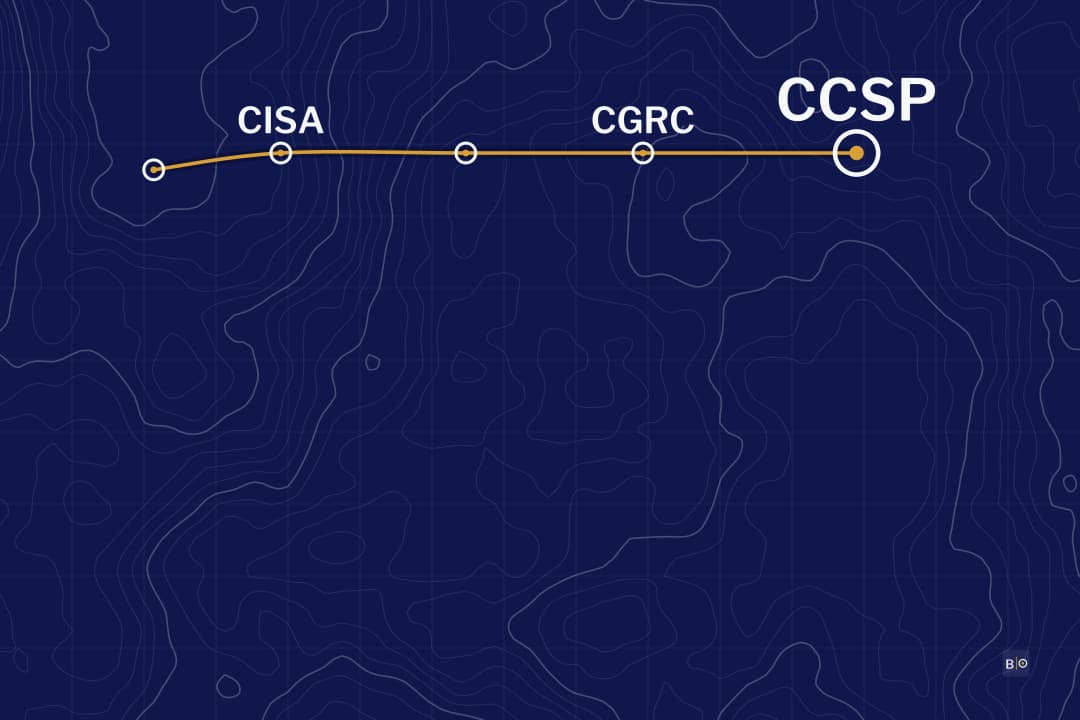
An IT audit qualification should match the kind of assessment you perform and the report you are allowed to deliver. CISA addresses broad information systems audit and assurance, cloud audit study adds a specialist context, and ISO auditor credentials come from named providers with their own requirements. None should be treated as universal permission to issue any report a client calls an audit.
Identify the report before choosing the course
Ask what the engagement is intended to establish. An internal audit, a readiness review and a formal external assurance report can examine similar controls while serving different purposes. Determine the criteria, scope and intended users before selecting training. A badge cannot resolve an undefined engagement.
Keep the responsibilities visible. Management operates the system and provides representations; an assessor evaluates evidence within an agreed scope. A person helping implement a control may later face independence questions if asked to provide assurance on that same work. Identify the relevant professional requirements rather than assuming the technical subject alone settles them.
For a learning exercise, choose a narrow control and draft the assessment objective. Identify the evidence you need and the conclusion that evidence could support. Do not begin with a finding you want to prove. A useful audit method allows a result that differs from the assessor's initial suspicion.
CISA provides the broad professional audit route
CISA is ISACA's information systems audit qualification. It is relevant to planning audits, evaluating governance and examining systems and operations. The full credential requires qualifying professional experience, with specified substitutions available under ISACA's rules. Passing the exam is only part of the process.
Read the experience application before selecting the exam date. Identify which work you performed, when it occurred and who can verify it. A job title that includes compliance does not automatically establish every required responsibility. If you use an associate route, follow the issuer's rules and describe the status accurately.
Prepare by writing working papers. State the control tested, the population, the evidence and the limits of the sample. Record why the result supports the conclusion. A polished report is weak if a reviewer cannot reconstruct how the evidence was evaluated.
Cloud auditing adds context rather than replacing judgment
The Certificate of Cloud Auditing Knowledge, or CCAK, was developed by ISACA and the Cloud Security Alliance. CSA now states that it is no longer available on ISACA's website. Treat older CCAK roadmaps as historical: confirm current availability with the issuer before paying a provider advertising a new qualification.
CCSP provides broader cloud security coverage for experienced practitioners. It can help an assessor understand architecture, data and responsibility boundaries. It does not automatically turn the holder into an auditor or replace the professional rules governing a particular report.
Practise examining a managed service. Identify which controls are operated by the provider, which are configured by the customer and what evidence is actually available. A provider report may address only a defined period or service. Do not extend its conclusion to every system that happens to use the provider's name.
ISO auditor credentials have an issuer and a grade
ISO/IEC 27001 specifies requirements for an information security management system. ISO publishes standards; external bodies perform certification. A personal qualification offered by a training or certification provider should identify that provider, the assessed competence and any experience requirements.
PECB's ISO/IEC 27001 Lead Auditor program illustrates the distinction. Its published requirements include different credential grades depending on professional and audit experience. Passing the course exam does not automatically satisfy the full Lead Auditor credential requirements for a newcomer.
Check which award you will qualify for after the course. Ask how audit experience is counted, who verifies it and what maintenance is required. Do not turn an attendance certificate into a claim that you are an approved external certification auditor. The ISO certification guide separates these routes in more detail.
Formal assurance has requirements beyond a security badge
AICPA's SOC services operate under professional standards for CPA firms. Its report-review guidance explicitly states that a licensed CPA firm issues a valid SOC 2 report. Holding CISA or completing a SOC course does not, by itself, provide that firm-level authority.
Technical specialists can still contribute to the work under an appropriate engagement structure. The question is which responsibility they hold and who is accountable for the report. A candidate seeking such a role should ask how the firm supervises technical assessment and what professional qualifications are expected for advancement.
The same discipline applies outside SOC reporting. Identify the scheme owner and current qualification rules for the service involved. A client calling a project an audit does not establish a universal definition or automatically make your existing credential sufficient. State the service and deliverable precisely in a proposal.
Select training by the assessment gap it closes
If you lack technical foundations, build enough knowledge to understand the control before attempting to judge its evidence. If you already operate systems, learn how audit objectives, sampling and documentation differ from troubleshooting. For framework-based system assessment, CGRC may be relevant alongside the method your organization uses.
Use the NICE Workforce Framework to identify tasks behind broad audit or assurance titles. Then choose a practice artifact: an assessment plan, a test record or a finding with a defensible basis. Have another person review whether the evidence actually supports your conclusion.
Compare the current syllabus, experience application and renewal policy before buying. A shorter certificate may fill a specific gap, while a professional qualification may support a broader career plan. Neither needs a promise of a salary uplift to be useful. The choice should be explainable through the work and authority required for the report you intend to help produce.
Sources
- ISACA CISA: professional audit credential, checked October 2026
- CSA CCAK status: certificate no longer available on ISACA website, checked October 2026
- ISC2 CCSP: cloud security qualification, checked October 2026
- ISO certification: standards and certification bodies, checked October 2026
- ISO/IEC 27001: management system scope, checked October 2026
- PECB ISO auditor: credential grade and experience distinctions, checked October 2026
- AICPA SOC services: professional assurance context, checked October 2026
- AICPA report review checklist: licensed CPA firm requirement, checked October 2026
- ISC2 CGRC: system control assessment, checked October 2026
- NICE Framework: task-based planning, checked October 2026