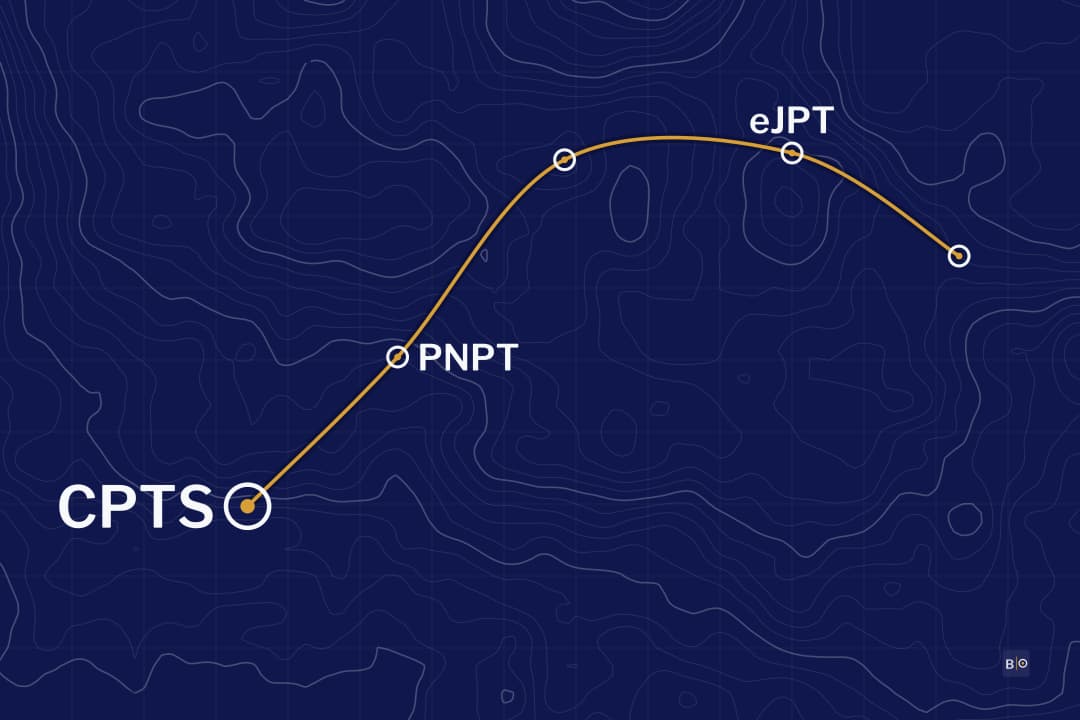
A penetration test needs an agreed scope, a method, defensible evidence and a report the recipient can use. Certifications assess different portions of that work under different conditions. Choose a first or next exam by the gap you need to close: basic investigation, a full engagement, constrained practical testing or specialist knowledge. A popular acronym is less useful than knowing what you will be able to explain afterward.
Establish permission and the question before testing
Begin in a lab or an environment with explicit authorization. Record the systems, permitted methods, schedule and reporting route. Include conditions under which the work must stop. A target being reachable is not permission to test it, and a certification does not extend an engagement beyond its agreed boundary.
For a learning project, use synthetic accounts and a documented scenario. Decide what you are trying to establish and collect evidence proportionate to that question. A test should not require copying unrelated sensitive information merely to make the report look more serious.
We would ask a reviewer to examine the scope and intended method before the practical work. That builds the professional habit that an exam environment can only partly reproduce. A person who can exploit a flaw still needs to explain whether the action was permitted and what the evidence establishes.
eJPT fits foundational practical learning
INE's eJPT is aimed at learners building junior penetration-testing skills. Its current program covers assessment methodology, auditing, network and host testing, with web application material. The issuer's current page and guide are the reference for the actual format and purchase terms.
Choose it when you need practice turning an observed service into a sequence of investigation steps. In a permitted lab, explain what you enumerated, why you chose the next action and what changed your hypothesis. Keep notes that let you return to the task without repeating the whole investigation.
An experienced paid tester may need a different next assessment. Do not take an introductory exam solely because a generic roadmap places it before every other credential. Use the objectives to identify a real foundation gap or move to the route that assesses the responsibility you are preparing to own.
PNPT emphasizes engagement and communication
TCM Security's PNPT combines practical testing with a professional report and live debrief. Its current page describes the assessment sequence and recommended background. It is relevant to someone moving from isolated technical tasks toward explaining an engagement's findings to another person.
That communication requirement is worth considering directly. A technically correct finding can be unusable when the report omits the affected system, prerequisite conditions or reason the recipient should act. Practise a concise explanation and answer questions about what was actually observed.
We would choose this route when the reporting and debrief style fits the learning need. Keep the exam's assessment separate from claims that every workplace test follows the same schedule. Real engagement constraints come from its actual scope, client and operating requirements.
CPTS links the assessment to its learning path
Hack The Box's CPTS uses its Penetration Tester path and a practical assessment with reporting. The current study guide explains the required preparation path and assessment process. Budget for the learning access as well as the exam rather than treating a voucher alone as the whole route.
HTB changed Academy pricing in October 2026, so check the current subscription and voucher inclusions before purchase. A package can include a useful additional assessment without making both exams the right immediate goal. Match the intended specialist route to the actual learning you plan to complete.
A useful preparation record should connect findings across the permitted environment and preserve the evidence needed for a report. Do not let solving a lab replace explaining its assumptions. A client-style account needs to distinguish a confirmed path from another possibility that was never tested.
OSCP assesses another constrained practical route
OffSec's OSCP route through PEN-200 uses a practical assessment with its own tool, reporting and conduct rules. Study the current exam guide as well as the course page before treating a technique allowed in a lab as permitted during the assessment.
The PEN-200 page also explains the distinction between OSCP and OSCP+ maintenance. Read that detail when planning the longer-term cost. An assessment choice should not be based on a mistaken assumption that every badge issued from the same exam has identical renewal duties.
We would choose it when its practical format or a specific role requirement makes the route useful. A job or contract naming one credential is a real constraint to check; a claim that every employer prefers it needs evidence this article does not invent.
GPEN offers a structured enterprise-testing syllabus
GIAC's GPEN addresses penetration-testing methodology and relevant technical objectives. Compare its current syllabus with the environments you intend to assess. A broad credential name does not establish identical depth across network, web, cloud and every other specialty.
Choose the preparation when it closes the recurring gap in your work and the employer recognizes the assessment. If the gap is focused web testing, compare the separate web application routes. An enterprise network test and a source-code review can share methods without being the same assignment.
Keep evidence of readiness alongside the credential
Build a sanitized report from a permitted environment, have someone reproduce a finding and follow an agreed repair through retesting. Include limitations and a clear account of the conditions under which the result holds. That record supports the professional claim more directly than a list of tools used.
We would select the next exam after reviewing that work. Use eJPT for a genuine foundation gap, PNPT or CPTS for their engagement-oriented routes, OSCP for its applicable practical assessment or role requirement, and GPEN for the relevant structured syllabus. A credible progression improves the work you can safely explain and deliver, without requiring every certification before the first useful contribution.
Sources
- INE eJPT: foundational practical scope, checked October 2026
- TCM PNPT: engagement, report and debrief, checked October 2026
- HTB CPTS: required path and practical reporting route, checked October 2026
- HTB Enterprise certifications help: vouchers after 100% role-path completion and report submission, checked October 2026
- HTB Academy pricing change: October pricing and voucher inclusions, checked October 2026
- OffSec PEN-200: OSCP practical route and credential distinction, checked October 2026
- GIAC GPEN: methodology and technical scope, checked October 2026