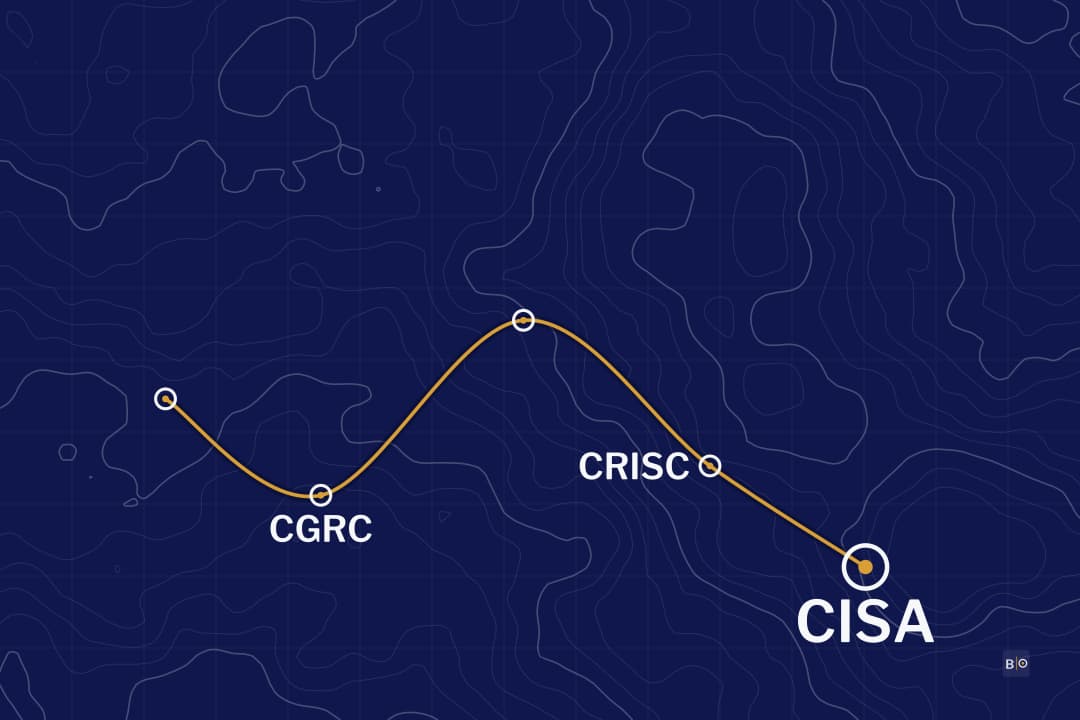
NIST publishes cybersecurity frameworks and guidance; a course about them is not automatically a NIST-issued qualification. NIST's Cybersecurity Framework FAQ says it does not offer certification or endorsement for CSF-related products, implementations or services. Private training and professional credentials can still be useful. Choose them by the framework you need to apply, the issuer and the assessment you will actually complete.
Separate the Cybersecurity Framework from the RMF
The NIST Cybersecurity Framework, or CSF, organizes cybersecurity outcomes for discussing and managing risk. The Risk Management Framework, or RMF, provides a lifecycle approach for system security and privacy risk. Learn the purpose of the reference your employer uses before choosing a course that simply advertises NIST training.
Other NIST publications support more specific work. Risk assessment, control selection and technical testing need different methods and evidence. A single badge using the NIST name does not establish competence across the entire publication library. Look at the syllabus and identify the actual tasks it teaches.
For a practice exercise, choose one service and state the question you need to answer. You might compare current outcomes with desired outcomes, assess a control or prepare a system risk decision. Keep those exercises distinct so that a framework mapping does not masquerade as a technical assessment.
Read a provider's certification claim literally
Find the issuer behind the award. Does the certificate show attendance, successful completion of a knowledge test or verified professional competence? Ask about prerequisites and experience requirements. The presence of a NIST publication number in the title does not mean NIST approved the provider or issued the credential.
NIST's CSF FAQ is explicit about its certification and endorsement position. Its RMF FAQ likewise states that NIST does not offer or endorse a program or tool for the suite of risk management guidance. Use the current primary explanation when evaluating an advertisement rather than inferring official approval from a logo.
This does not make private training worthless. A well-designed course can help you learn a method and produce useful work. Judge it by its syllabus, exercises and assessment, then describe the resulting award accurately. Avoid claiming an organization is NIST-certified when the actual activity was a private assessment against selected guidance.
CGRC provides a related professional qualification
CGRC, formerly CAP, is ISC2's governance, risk and compliance credential. It is relevant to system scoping, control selection, assessment and risk processes. Its relationship to RMF-style work makes it worth considering for a practitioner who supports those responsibilities, while the current outline also references other frameworks.
ISC2 requires qualifying experience for the full credential. Check the application rules before assuming that a course and exam will immediately make you certified. If you pursue an Associate of ISC2 designation while gaining experience, follow the issuer's conditions and use the correct designation.
Prepare by tracing a control through its lifecycle. Define the system boundary, explain why the control is relevant and identify evidence of implementation and operation. Record what remains unresolved and who can decide. An authorization-related decision is an organizational responsibility; holding a professional credential does not grant that authority by itself.
Choose risk, audit or breadth for adjacent work
CRISC is relevant when you assess IT risk and follow responses and reporting. Pair it with NIST SP 800-30 if your work needs a better risk assessment method. Check ISACA's current experience requirements and the rule applicable to your exam date; the full qualification requires professional work.
CISA fits audit and assurance. It can help a practitioner evaluate controls and support a conclusion with evidence. NIST guidance may provide criteria or methods within an engagement, but the professional requirements for a particular assurance report remain a separate question.
CISSP supplies broader security coverage for experienced practitioners. Consider it when you need to connect framework work with architecture, operations and program decisions. Do not choose it solely because it mentions familiar NIST-related concepts. The GRC credential guide compares these scopes.
Build a learning artifact that survives review
For CSF study, document the outcomes you are examining and the evidence supporting the current position. Explain the desired outcome and the reason for the difference. Avoid turning a list of checked boxes into a claim that the organization has no remaining risk.
For RMF study, use a fictional system to practise boundaries, controls and assessment evidence. Identify the assumptions and decision owners. If you are using a particular NIST publication, keep its edition and status visible so a reviewer can distinguish a final publication from a draft.
For control assessment, state the population and test method. A configuration snapshot can demonstrate one fact while leaving other operational questions unanswered. Write that limit into the result. The exercise is more valuable when a reviewer can challenge its conclusion than when every field is filled with reassuring language.
Select training after identifying the work
Start with the NIST guidance relevant to the role and use its references to identify gaps. A newcomer may need security fundamentals before an advanced control assessment course. An experienced operator may need assessment and documentation practice rather than another introduction to the framework's vocabulary.
Before paying, compare the provider's objectives with the artifact you need to produce. Ask what feedback the course supplies and what the exam tests. Check any continuing requirements attached to the award. A certificate of attendance can have learning value without being represented as a professional certification.
Choose the shortest credible route to better work: read the relevant guidance, practise a bounded application and seek review. Add a credential when it supports that purpose or meets a verified requirement. Keep the issuer's name and the award's actual scope clear whenever you describe it.
Sources
- NIST CSF FAQ: framework purpose and no certification or endorsement, checked October 2026
- NIST RMF FAQ: NIST does not offer or endorse programs or tools, checked October 2026
- NIST RMF: system risk lifecycle, checked October 2026
- NIST risk assessment: assessment method, checked October 2026
- ISC2 CGRC: related professional credential, checked October 2026
- ISACA CRISC: IT risk qualification, checked October 2026
- ISACA CISA: audit qualification, checked October 2026
- ISC2 CISSP: broader security qualification, checked October 2026