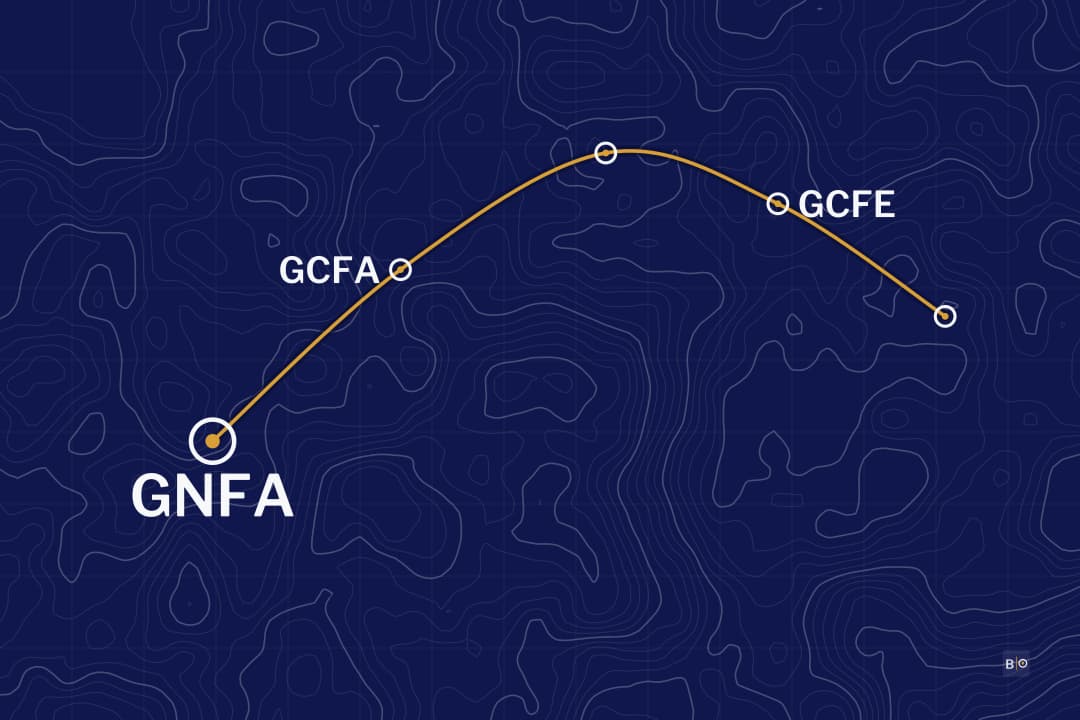
Digital forensics work is valuable when someone else can follow the evidence from collection to conclusion. Start with reliable handling and a narrow set of artifacts, then expand into memory, network evidence or malware as the cases demand. The familiar GCFE-to-GCFA sequence fits one Windows-focused route. It is not a rule that every investigator must buy every forensic credential before taking responsibility for a case.
Learn what kind of investigation the employer performs
An internal incident-response team, a civil litigation practice and a law-enforcement laboratory work under different authorities and procedures. Ask what the role investigates, who authorizes collection and who reviews the evidence. A technical certification does not establish legal authority or replace the procedures required by the organization and jurisdiction.
NIST SP 800-86 explicitly approaches forensics from an IT perspective rather than a law-enforcement one. It covers evidence sources and forensic activities that support incident response and troubleshooting. Read that scope carefully before using it as the complete procedure for a legal case.
The NICE Digital Evidence Analysis role gives another task reference. Use it to identify whether your preparation lacks collection, examination, analysis or communication skills. An entry role may let you learn those under supervision. Look for an employer with review practices that make mistakes visible before the result is relied on.
Make the evidence record your first project
Use an authorized training image or your own test system. Record where it came from, what tools you used and which changes your process made. Preserve the original and work from an appropriate copy under your organization's procedure. Keep the tool output needed to reproduce the analysis instead of saving only a screenshot of the final answer.
Choose a simple question about user activity and answer it with more than one relevant artifact where possible. Note the time basis and the assumptions you made when constructing the timeline. An application record and a filesystem timestamp may describe different events; a neat chronological list does not make them interchangeable.
Ask a reviewer to trace a conclusion back to the source. If they cannot, repair the record. This is the first readiness marker: a second analyst can distinguish the evidence, your interpretation and the remaining uncertainty without relying on a conversation with you.
Use GCFE for the Windows artifact foundation
GCFE is GIAC's Windows-focused forensic examiner credential. Its objectives concern the artifacts that help explain user and system activity. It fits an investigator who needs a structured foundation before taking on broader enterprise intrusion analysis.
Use the study to build reference notes around questions, not only tool commands. If a case asks whether a program ran, identify which artifacts can support that conclusion and which cannot establish it alone. Keep the relevant operating-system and application versions in view. A forensic reference loses value if it silently assumes every machine behaves like the training image.
GIAC's exam format includes CyberLive hands-on tasks for GCFE. That makes lab preparation relevant, but it still does not assess every aspect of a real case record. Continue having your notes and conclusions reviewed at work. Our GCFE and GNFA comparison explains how the network specialization differs from that host foundation.
Add GCFA when the question becomes an intrusion
GCFA fits work on host and memory evidence, timeline analysis and intrusions across an enterprise. The step from examining one machine to scoping an intrusion changes the question. You need to connect activity across systems while preserving which links are confirmed and which remain hypotheses.
Practise with a case that includes multiple hosts and an identity trail. Explain how you selected the systems to examine, where visibility is missing and which evidence would expand or reduce the suspected scope. A report that lists every suspicious event without assessing the relationship between them leaves the decision to the reader.
The incident responder path covers the adjacent responsibility for containment and recovery. A forensic specialist may advise those decisions without owning the response. Agree on that handoff before an incident, especially where collecting more evidence competes with restoring a business service.
Let the missing evidence choose GNFA or GREM
GNFA is the network branch. GIAC's objectives cover packet captures, network flow and log evidence, along with the infrastructure that produces it. It fits cases where the host record cannot explain the communication or where network evidence is the main source available.
GREM addresses malicious programs and documents. Choose it when understanding the sample is the recurring obstacle in your investigations. Malware-analysis work needs a controlled environment and established handling procedures. Practise those procedures before opening an unfamiliar sample simply to learn what it does.
There is value in knowing when to refer a question. An investigator who can identify the missing evidence and brief a network or malware specialist may improve the case more than one who starts another tool without a clear question. The security researcher route fits people who discover that the program itself interests them more than the wider case.
Progress through review and explanation
The next level of responsibility includes reviewing another analyst's conclusions. Check the acquisition and examination record, the basis for important timestamps and the strength of claims about intent or attribution. A strong technical result can still be overstated in the report. Ask what alternative explanation the evidence permits.
Practise explaining a result to a non-specialist decision maker. State what is supported and what the available data cannot answer. Keep technical detail accessible behind the explanation so another specialist can check it. The goal is a useful decision with an inspectable basis, whether the audience is an incident commander, an internal investigator or another authorized reviewer.
We would start with one evidence domain and a disciplined case record, then choose the next credential where repeated cases expose a gap. A fully reviewed Windows case is a better foundation than several unconnected exam passes. Becoming a senior investigator means improving the reliability of other people's conclusions as well as producing your own.
Sources
- NIST IT forensics guide: scope, evidence sources and forensic process, checked October 2026
- NICE Digital Evidence Analysis: forensic work tasks, checked October 2026
- GIAC GCFE: Windows examination scope and CyberLive, checked October 2026
- GIAC GCFA: host, memory and intrusion analysis, checked October 2026
- GIAC GNFA: network analysis scope, checked October 2026
- GIAC GREM: malware analysis scope, checked October 2026
- NIST incident response Revision 3: wider response context, checked October 2026