SOC 2 work is not unlocked by a security certification alone. AICPA's report-review guidance states that only a licensed CPA firm can issue a valid SOC 2 report. Technical security practitioners can contribute valuable assessment skills, but the engagement must still meet the applicable professional requirements. Choose your route according to whether you want to prepare evidence, perform technical work within an engagement or pursue responsibility for assurance reporting.
Distinguish readiness from the examination
A service organization may need help understanding controls, organizing evidence and addressing gaps before an examination. That readiness work is useful, but it is not itself the independent SOC 2 report. Be precise about the service when reading a vacancy or proposing consulting work.
AICPA publishes the professional standards and guidance for SOC engagements. Its SOC resources also discuss risks around rapid, tool-driven engagements and relationships between CPA firms and SOC tool providers. A software platform can assist with evidence collection; it does not replace the professional responsibility for the examination.
Before selecting a course, ask which part of the work you will perform. A compliance coordinator, a technical assessor and a professional responsible for an assurance engagement need overlapping knowledge with different authority. An advertised SOC auditor certificate should identify its issuer and what it actually assesses.
Learn how a control becomes a supported conclusion
Choose a fictional service and describe what it does, which systems support it and what commitments matter to its users. Then select a control, identify the relevant evidence and write the test you would perform. Keep the assessment objective visible so that evidence collection does not become an end in itself.
For an access review, a screenshot of a current account list does not necessarily show that the review operated over a required period. Ask what population was reviewed, who reviewed it and how exceptions were handled. State the limit if the available evidence only supports a narrower conclusion.
A useful working paper lets another reviewer understand what you did without interviewing you again. Record the scope, evidence, method and conclusion. If a result remains uncertain, say what further evidence is needed. Do not turn an unresolved question into a confirmed control failure simply because the first request was unanswered.
Use CISA for information systems assurance competence
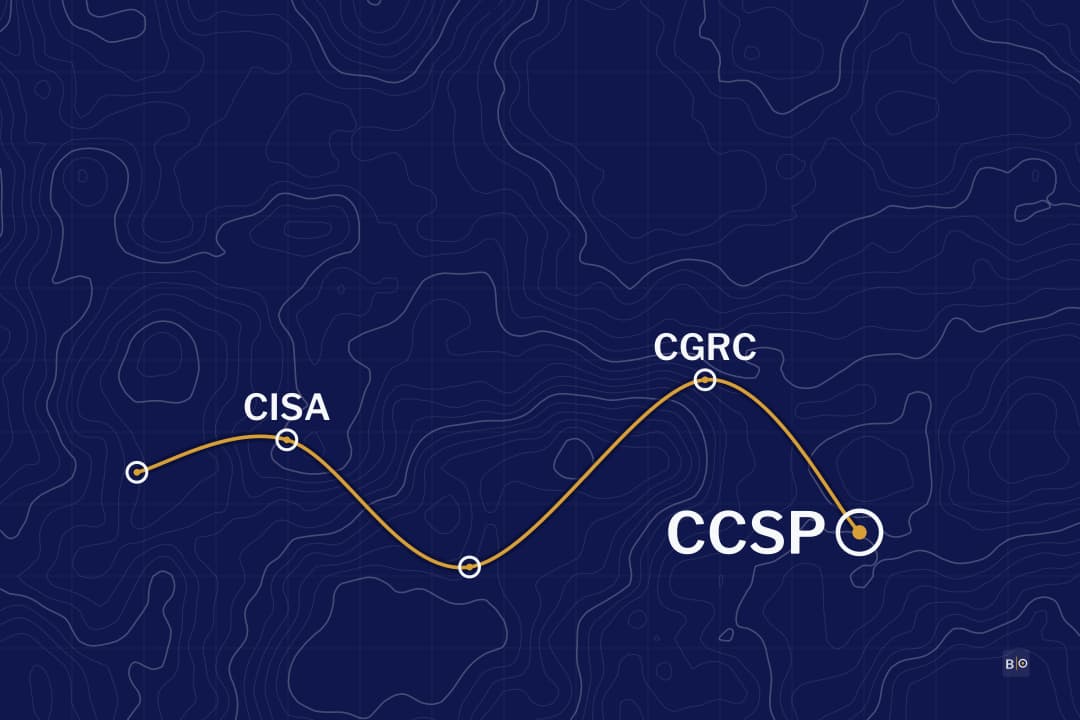
CISA addresses information systems audit and related assurance. It can support a technical practitioner's transition into structured assessment. ISACA's full certification requires qualifying experience under its current rules; a passed exam should be described as a passed exam until the remaining process is complete.
Read the syllabus alongside the work of the team you want to join. Look for the method behind the topics: planning an assessment, evaluating evidence and communicating findings. A credential is more useful when preparation improves the quality of your working papers rather than adding only terminology to your profile.
CISA does not turn an individual into a licensed CPA firm. Nor does it remove engagement-level independence and competence requirements. If the intended career includes responsibility for issuing reports, discuss the applicable accounting and firm requirements with the relevant professional body and prospective employer instead of assuming a security credential is equivalent.
Add technical depth for the systems in scope
A cloud-hosted service requires an assessor who understands the provider and customer responsibilities. CCSP may be relevant for an experienced cloud practitioner, alongside practical platform knowledge. Review service scope and available evidence rather than assuming that a provider's assurance report covers every feature a customer uses.
For a control assessment route, CGRC, formerly CAP, can help structure system scoping and assessment. It is a separate professional credential with experience requirements. Its value should be judged against the actual work, not a claim that it is a mandatory SOC qualification.
Use a lab to practise reviewing identities, deployment changes and logging. Show what the collected evidence proves and which conclusions require other information. The cloud security route helps with the operational foundation; the IT audit qualifications guide compares broader assurance study.
Evaluate a SOC course by what it leaves you able to do
AICPA offers SOC learning resources, including report walkthroughs and training for CPA firms. Those are appropriate sources for learning the professional context. Read the intended audience and prerequisites before enrolling, particularly if you are a security practitioner rather than an accounting professional.
For any provider, ask what the award represents. An attendance certificate confirms a different outcome from an assessed qualification, and neither automatically grants report-signing authority. Check whether the syllabus covers evidence, scope and professional responsibilities rather than only operating a compliance tool.
Produce a sample assessment record during study. Use fictional evidence and label it as practice. Do not publish a real SOC report or client package without permission; such documents may contain sensitive control details and restrictions on use. Anonymizing a company name does not settle those obligations.
Choose the next role and its supervision
A practitioner with operational experience can seek work that uses that knowledge in evidence collection or technical assessment under appropriate supervision. Ask how conclusions are reviewed, who owns engagement decisions and how the team develops competence. That structure matters as much as which exam appears in the vacancy.
If you already work in readiness, learn the difference between helping management improve a control and independently evaluating it. Keep the responsibilities clear when changing roles. Do not advertise an independent assurance service while leaving unresolved whether your implementation work creates a conflict under the applicable requirements.
Our recommendation is to choose a real engagement role, then build its required method and qualifications. A security credential can support technical credibility, but the report's authority comes from the properly qualified firm and the professional standards governing the engagement. Start with a narrow assessment you can document and defend.
Sources
- AICPA SOC services: professional standards and learning resources, checked October 2026
- AICPA report review checklist: licensed CPA firm requirement, checked October 2026
- ISACA CISA: information systems audit qualification, checked October 2026
- ISC2 CGRC: control assessment credential, checked October 2026
- ISC2 CCSP: cloud security credential, checked October 2026