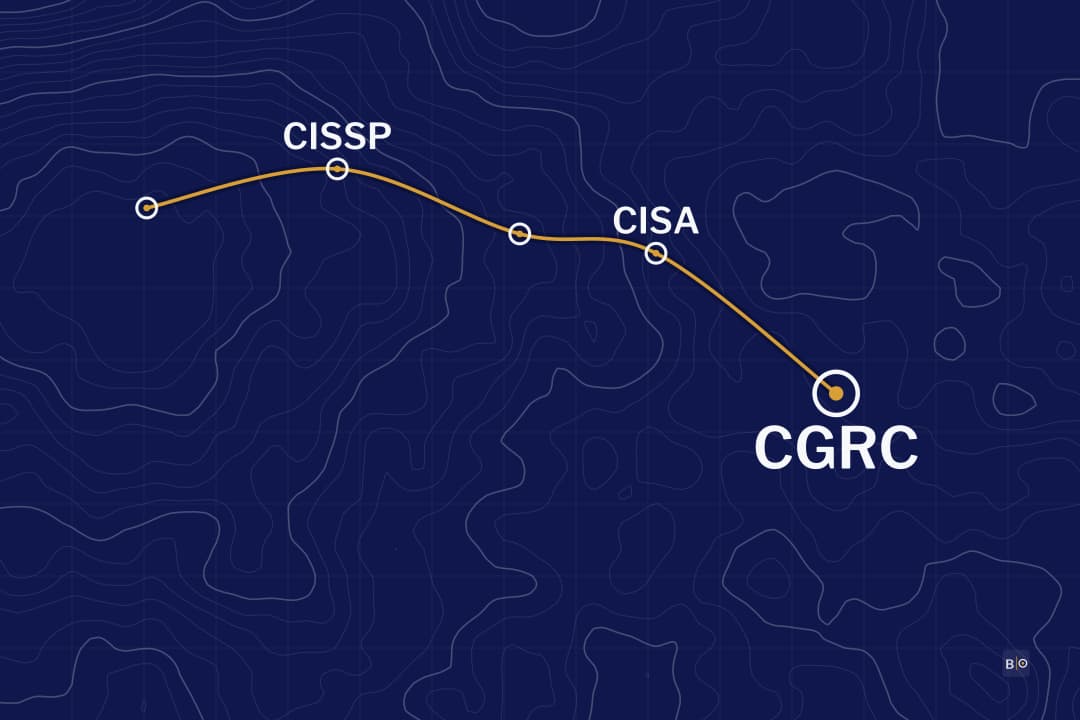
Consulting begins with a service you can describe precisely enough for a client to buy and another practitioner to review. Choose a bounded specialty before calling yourself a general security adviser. Then learn to scope the work, deliver usable evidence and explain where your conclusions stop. The same sequence applies inside a consulting firm and on your own, although an independent consultant must also arrange the business around it.
Start with work you have already delivered
Choose a service close to your operating experience. A systems administrator might assess an access-management process or help implement a defined control. An auditor might perform a scoped control review. A penetration tester might deliver an authorized assessment. Those are more credible starting points than offering to solve every security problem a new client mentions.
NIST's NICE Framework is useful for breaking a broad consulting title into tasks. Architecture, vulnerability analysis and cybersecurity policy work have different responsibilities. Map the proposed service to the tasks you can perform and the ones that need a reviewer or partner. A client should not discover that boundary only after the engagement begins.
Write a sample deliverable for your chosen service using an authorized practice environment. State the question, the scope, the method and the result. Ask someone who does the work professionally to review it. Their comments will tell you whether the service is ready to sell or whether you are still selling your willingness to learn it.
Learn scoping before promising an outcome
A useful statement of work explains what will be examined, what access the client must provide, which methods are permitted and what the deliverable will contain. It should also describe important exclusions and dependencies. Have qualified advisers review contractual and legal terms for the business; a certification article cannot supply those terms for every jurisdiction.
NIST SP 800-115 treats planning and reporting as part of technical assessment. Apply that discipline even when the service is less tool-heavy. For a control review, define which systems and records you will inspect and how the sample limits the conclusion. For a design project, define which decisions you recommend and who approves implementation.
Be careful with promises about compliance or security. A limited review can answer whether the evidence supports a defined requirement in the agreed scope. It cannot establish that the whole organization is secure. Write the scope so that a buyer without your technical background can see the difference before signing.
Match the credential to the service
CISA fits IT audit and assurance work. ISACA's experience rules include audit, control, assurance and security experience, with specified waivers. The exam can be taken earlier, but a pass alone is not the full certification. Read the current application requirements before using the designation in a proposal.
CGRC, formerly CAP, fits information-system authorization and related control-assurance work. ISC2 requires two years of qualifying experience. It is useful when the client needs help with system boundaries, control implementation, assessment evidence and continuing compliance, especially where the authorization process drives the work.
OSCP fits a practical penetration-testing service. The credential's report requirements are relevant, but an exam report and a client assessment have different constraints. Client authorization, availability limits and the agreed rules of engagement govern the work. The penetration tester progression covers readiness for independently delivered assessments.
Use CISSP when your advice crosses specialties
CISSP can help an experienced consultant discuss risk, architecture, identity, operations and software security together. ISC2 requires five years of qualifying work in at least two domains, with at most one year waived through an accepted degree or credential. Candidates who pass without the experience can apply to become an Associate of ISC2 while they gain the required experience.
Breadth becomes useful when an engagement crosses the service boundary. A control problem may involve architecture, an operational dependency and an ownership decision. You should be able to recognize those connections and explain which specialist needs to join the work. The certification does not mean you can personally deliver every service represented by its domains.
We would choose a broad credential after establishing a specialty, unless a target employer explicitly requires it sooner. A client can understand a specific service backed by work examples. A long certificate list without a clear deliverable leaves the buyer to work out what they are purchasing. Our GRC progression guide explains the assurance and risk branches.
Get a review process before increasing the scope
Inside a firm, ask who reviews technical findings and who can challenge a conclusion before it reaches the client. A good review checks evidence, severity and the feasibility of the recommendation. It also checks whether the report answers the question the client paid to investigate.
An independent consultant needs to arrange equivalent scrutiny. Build a relationship with another qualified practitioner who can review work within the confidentiality terms agreed with the client. When the engagement needs a skill you do not have, identify a partner or reduce the scope. Quietly learning a critical specialty during delivery transfers an unagreed risk to the client.
Keep reusable methods, but examine their assumptions each time. A template access review for one directory or identity provider may omit accounts created by another system. The method should save setup effort while leaving the actual assessment open to evidence. Record why you changed it for this client.
Decide whether independent work suits you
A firm can provide sales, contracting, peer review and colleagues with adjacent specialties. Independence gives you more control over service design and also makes those arrangements your responsibility. Compare the support you need with the business you are prepared to run before treating self-employment as the automatic next stage.
Use a completed engagement to assess readiness. Could you estimate the work, identify a scope change, deliver on time and explain an unwelcome result? Did the client know how to act on the findings? Ask for feedback on those questions rather than relying only on whether the technical testing succeeded.
We would build a narrow, repeatable service first and broaden it through reviewed engagements. Keep learning tied to the work you want to deliver next. The architecture career route fits consultants drawn toward design, while the risk and management route suits those who increasingly help clients make program decisions.
Sources
- NICE Framework resource center: task-based role definitions, checked October 2026
- NIST technical assessment guide: assessment planning and reporting, checked October 2026
- ISACA CISA: audit and assurance credential, checked October 2026
- ISACA Candidate Guide: certification experience and exam distinction, checked October 2026
- ISC2 CGRC experience: two-year qualification rule, checked October 2026
- OffSec OSCP exam guide: practical and reporting rules, checked October 2026
- ISC2 CISSP experience: experience and maximum waiver, checked October 2026